Executive summary
Mental and substance use disorders are prevalent worldwide, accounting for approximately 15 percent of the global disease burden, more than all cancers combined (10 percent).1 Beyond their clinical impact, these conditions shape how people learn, work, and participate in society, placing sustained pressure on families, communities, and public systems. If scaled effectively, proven mental health interventions could unlock $4.4 trillion in global economic value by 2050.2 Yet despite the availability of effective treatments, access to mental healthcare remains limited in many settings, often not because solutions do not exist but because systems lack the capacity to deliver them at scale.
Task sharing is a well-established healthcare strategy that has been adopted in mental healthcare systems in several countries, including Chile, India, the United Kingdom, the United States, and Zimbabwe.3 The approach uses a team-based model. It involves training nonspecialist providers (NSPs)—such as nurses, midwives, and lay or paraprofessionals—to deliver structured, evidence-based interventions.4 This approach provides an alternative way to deliver healthcare services, including mental healthcare. By enabling trained NSPs to deliver structured, evidence-based interventions under appropriate supervision, task sharing expands system capacity while preserving quality. Evidence from multiple contexts shows that task-sharing approaches can achieve meaningful health improvements while allowing specialist providers (for example, cardiologists, psychiatrists, or dermatologists) to focus on more complex or severe cases.5 Rather than depending solely on specialist training pipelines, task sharing redistributes care through existing health, education, and social service platforms.
Nearly one billion people worldwide live with mental health conditions, including an estimated 660 million with untreated mild to moderate conditions that could be effectively managed through task sharing.6 By scaling task sharing alone, the global society has the potential to reclaim over 18 million life years of heathier life while also reducing associated physical health burdens linked to unaddressed mental health conditions.7 In doing so, global equity in access to care could be advanced, adding years to life and life to years.
Despite this evidence, few mental health task-sharing programs have reached wide-scale adoption. Many programs operate as time-bound pilots rather than as integrated components of routine service delivery, and a commonly cited constraint is sustainable financing. Fragmented and short-term funding, limited reimbursement pathways for NSP services, unclear recognition of new provider roles, and insufficient financing for supervision, training, and quality assurance continue to limit scale and durability.
The McKinsey Health Institute (MHI) refers to this report as a “playbook,” as it outlines a range of approaches to sustainable financing of mental health task-sharing programs. Drawing on examples from diverse contexts, it examines a range of funding arrangements used in practice, including public-sector financing through national or local budgets, insurance-based reimbursement mechanisms, commercialized models, and other innovative approaches. To see a list of examples included in this playbook, see sidebar “Examples at a glance.”
This playbook also explores how programs can articulate value to funders and financing stakeholders, drawing on analytic approaches such as supply–demand analyses, cost-effectiveness analyses, and social return on investment assessments that capture outcomes beyond clinical improvement.
Mental health task sharing is rarely implemented as a stand-alone program but is more commonly (and effectively) deployed as a workforce model within broader health or social care systems. Building on this system-level view, this playbook examines the conditions that shape whether task sharing can be integrated and sustained. They include policy alignment, specialist provider acceptance, workforce upskilling, supervision structures, technology-enabled delivery and monitoring, and clear referral pathways. Together, these elements frame how task sharing can evolve from isolated initiatives into a routine part of mental health service delivery—expanding access while strengthening systems over time.
The primary audience for this playbook is mental health task-sharing implementers—those designing, launching, and scaling mental health task-sharing programs who seek guidance on how to secure and sustain financing.
This playbook may also be relevant to other stakeholders, particularly those involved in enabling or supporting access to mental health services. Specific sections may be of interest to the following (non-exhaustive) categories of readers:
- Policymakers. This playbook can help policymakers identify enabling financing conditions needed to integrate and sustain task sharing.
- Funders and investors. It highlights ways in which funders and investors can assess and align financing strategies with sustainability and long-term impact.
- Employers. It offers perspectives on how investing in mental health can support workforce participation, increase productivity, and reduce absenteeism.
- Cross-sector partners. It illustrates the potential social and economic benefits of investing in mental health.
We invite all readers to share this playbook with others who may benefit from it.
This playbook is intended to do several things:
- provide a guiding framework for the process needed to finance evidence-based task-sharing programs effectively
- offer tools and example economic analyses to help measure and communicate the value of implementing evidence-based task-sharing programs
- share case studies on how other task-sharing organizations have scaled, including on-the-ground lessons from around the world
Therefore, this playbook is not meant to do the following:
- provide policy recommendations
- review the clinical efficacy of task sharing
- serve as an implementation road map or clinical manual
Introduction
Addressing access to mental healthcare is important. Mental and substance use disorders are among the top five contributors to the global disease burden. Together, they account for more than 170 million years lived with disability—more than diabetes, cardiovascular diseases, chronic respiratory diseases, and cancer combined (their total: 129 million).8 In addition, mental and substance use disorders can be disabling, accounting for an estimated 20 percent of all days lived in suboptimal health.9
Unlike other chronic illnesses, where the risk increases with age, the burden associated with mental and substance use disorders disproportionately affects younger people, with 75 percent of mental health conditions emerging by the mid-20s.10 This means that early intervention can improve immediate health outcomes and generate positive social and economic outcomes throughout an individual’s lifespan (for example, reduced disability, increased workforce participation, and increased productivity).
In addition, the impact of mental health conditions extends to physical health.11 For example, some mental disorders, like depression, are associated with increased risk for other noncommunicable diseases (NCDs), such as diabetes, heart disease, and stroke.12 Mental health also influences social determinants of health such as housing stability, community engagement, and access to community services.13
In most geographies, mental health services remain persistently underfunded. Although mental disorders drive 15 percent of the global disease burden, they receive only 2 percent of national health budgets, representing an estimated gap of $200 billion to $350 billion between current funding and the level of global need.14 In comparison, cardiovascular diseases account for a similar level of total global health burden (21 percent) but represent 12 to 16.5 percent of global healthcare expenditure.15 At the same time, declining official development assistance for health programs further constrains already limited resources.16
Mental health workforce capacity remains limited worldwide, with a global median of 13 mental health workers per 100,000 people. Disparities are high: Many low-income countries have fewer than two mental health workers per 100,000 people, compared with more than 60 per 100,000 in high-income countries.17
The case for investing in mental health is strong. Scaling proven mental health interventions could generate substantial health, social, and economic returns. The McKinsey Health Institute estimates that effective scale-up could contribute an additional $4.4 trillion to the global economy by 2050, equivalent to an incremental 2 percent increase in global GDP.18 Each $1 invested in treating common mental health conditions (for example, depression and anxiety) yields $4 in returns through health and productivity gains, rising to $5 to $6 when accounting for the impact of associated NCDs, on par with some early-childhood education programs and local public health investments.19 These estimates reflect typical evidence-based interventions, with delivery models such as task sharing often obtaining even higher returns.
The benefits of investing in mental health are felt across society. For students, improved brain health is linked to better educational outcomes and higher future earnings potential.20 For employers, investments in mental health are associated with improved productivity, increased satisfaction, and reduced absenteeism and disability.21 For communities, integrating mental health support into community and social service organizations can strengthen organizations’ missions and improve overall community well-being by expanding the mental health workforce, including those with lived experience, and engaging the local community.22 For governments, addressing mental health can also support priority objectives, such as workforce productivity, equity and inclusion, education outcomes, social stability, and reduced pressure on the primary and specialty care systems.23
These gains can be achieved without incremental health spending. In many systems, a substantial share of mental health budgets remains concentrated in institutional care, even though community-based care can be more accessible and cost-effective and can deliver better outcomes.24 Reflecting this, WHO’s Global NCD agenda emphasizes the importance of addressing mental health in conjunction with NCD prevention and control.25 Programs such as WHO’s Mental Health Gap Action Programme (mhGAP) and UNICEF’s Mental Health and Psychosocial Support (MHPSS) demonstrate integrated care models in which mental health and physical health needs are addressed together in primary care.26 These examples illustrate how shifting resources to evidence-based, community-based models can improve outcomes, often by reallocating existing spending rather than relying solely on new funding.
How could task sharing help close the gap in access to mental healthcare?
Task sharing is one of several options that could help increase access to care and is recognized by WHO as a critical element of the global response to mental health challenges.27 It is a team-based strategy that trains NSPs, such as trained lay professionals, to deliver structured clinical interventions.28 Depending on the model, these providers may range from clinicians within other specialties to community volunteers. Evidence has shown that task sharing can help address global health workforce shortages, engage communities, and reduce barriers to care, such as stigma and discrimination.29 There have been successful task-sharing programs across health fields, including midwives delivering women’s healthcare (for example, contraceptive implants), community health workers conducting HIV testing and providing support, and non-ophthalmologists providing routine eye care.30
In mental health task sharing, this approach can train individuals with little or no formal clinical background to deliver evidence-based interventions to treat common mild to moderate mental health or substance use conditions with the right supervision and within regulatory guidelines/compliance. These individuals may be community health workers, psychosocial rehabilitation specialists, social workers, teachers, nutritionists, and other trained community-based providers. In low-resource settings, they could also include laypeople, such as faith-based workers, outreach workers, and other community members.31
Evidence from randomized controlled trials within many regions supports mental health task sharing. Studies demonstrate that task sharing is an effective way to deliver mental healthcare and that laypeople and non-mental health professionals can successfully deliver elements of proven psychosocial and psychological programs for various conditions.32
Closing mental healthcare access gaps will also require addressing workforce shortages. The McKinsey Health Institute estimates that globally about 660 million people live with untreated mild or moderate mental health conditions that could be managed with the help of a task-sharing provider.33 Redistributing specific healthcare tasks to trained NSPs can expand capacity and improve efficiency within and beyond the traditional healthcare system by allowing each specialist provider to practice at the top of their expertise. Task-sharing providers can help to triage and manage lower-acuity cases while freeing specialist providers to focus on more complex cases.34
Additionally, task sharing could improve other parts of the healthcare system, as it can expand access points for mental health support, screening, and specialty care as needed. Research has shown that task sharing can be an effective way to integrate mental healthcare into non-healthcare settings (for example, schools, employers, humanitarian aid shelters, microloan lenders’ sites).35 If scaled effectively, task sharing alone could prevent the loss of 18.6 million healthy years of life and contribute $350 billion to global GDP.36
How could task sharing be delivered?
Task sharing can be most effective when used to deliver evidence-based practices (EBPs), and in doing so, countries can reduce the mental health burden.37 More broadly, removing practical barriers to the widescale adoption of all proven or evidence-based brain health interventions—not just those related to task sharing—could address up to 40 percent of the disease burden related to mental and substance use disorders globally.38
For the definition of evidence-based practices, see sidebar “What are evidence-based practices?”
Studies show that evidence-based programs, policies, and practices can prevent mental health conditions, reduce their prevalence, and enhance overall well-being.39 For example, states, including Washington and Pennsylvania, invested in evidence-based programs that addressed mental health risk factors (such as family therapy for juvenile offenders and early-childhood education), which were associated with reductions in crime.40
Although this document does not focus on task-sharing implementation, evidence from task-sharing programs in this document and academic literature demonstrates that task sharing can be implemented effectively when reinforced by well-supported practices. For example, continuous training and ongoing supervision of task-sharing providers can ensure program fidelity and quality assurance.41 In addition, employing a paid workforce could ensure staff retention and program continuity, and involving trusted community members to deliver mental health services could address stigma.42
Despite the proven evidence and positive ROI, EBPs are not being used sufficiently at scale due to workforce shortages, fragmented funding, challenges in adapting proven interventions to local contexts, stigma, and difficulties in ensuring implementation fidelity. While these are challenges related to EBPs in general, the following section highlights barriers to specific task-sharing programs that should be addressed for successful scaling.
Scaling mental health task sharing in Santiago, Chile
This playbook draws on lessons learned from our work with Asociación Chilena de Seguridad (ACHS) and two municipalities in Santiago, Chile: Renca and Providencia. In 2023, the McKinsey Health Institute (MHI) partnered with these municipalities to expand access to mental healthcare by piloting task sharing for adolescents in Renca and older adults in Providencia. Together with ACHS and Common Elements Treatment Approach (CETA) Global, municipalities trained psychologists, social workers, nurse technicians, and midwives to deliver evidence-based interventions based on CETA’s transdiagnostic model.
Funding for the program combined donations for training and capability building with the use of existing municipal health budgets. Municipalities hired and upskilled their existing workforce alongside a clear public-sector commitment to sustain and scale the program through recurrent funding.
Both municipalities scaled the pilot into near-universal access and routine service delivery for their respective target populations (that is, elderly in Providencia and youth in Renca). MHI helped municipalities embed the model within existing systems and align delivery settings with population needs, which proved to be a key driver of success. For example, Providencia integrated the program into the patient journey in all primary healthcare centers, and Renca integrated it into nearly all public schools.
As of February 2026, the program has achieved notable impact and benefitted more than 2,700 people. Municipalities and ACHS are continuing to scale the program by developing local trainer capacity to build local capabilities. These experiences illustrate potential approaches that government agencies, healthcare organizations, and funders can adapt to expand access in local contexts.
For a full case study, see “CETA in Chile, a Healthy Santiago project” in the section titled “Case studies: Lessons from task-sharing implementers.”
A potential path to financing mental health task sharing at scale
Mental health task-sharing implementers have effectively improved mental health in many geographies and contexts—for example, Common Elements Treatment Approach (CETA) Global, EMPOWER, ENGAGE, Friendship Bench, Global Mental Health Lab, and StrongMinds. Nonetheless, few task-sharing programs have expanded at the regional or national level through structured, long-term financial models (for example, insurance coverage and business revenue). The ability to finance, integrate, and sustain task-sharing programs varies based on health system context and program maturity.
Exhibit 1, sourced from the Mental Health Financing Guidebook by the Coalition for Mental Health Investment, illustrates the stages in the life cycle of implementing a mental health program or tool. While the stages are shown as a linear process, programs can move nonlinearly across stages or cycle through them before reaching wide-scale adoption.
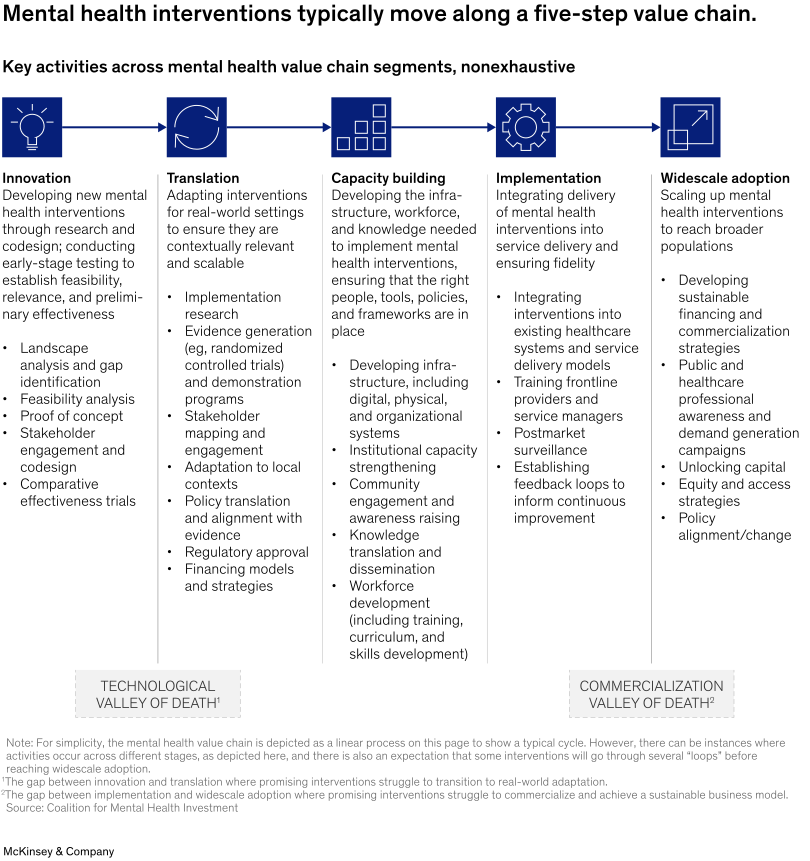
In practice, many implementers encounter barriers to moving past the “commercialization valley of death”—the critical gap between implementation and wide-scale adoption of the product or service—even when programs are successfully integrated into service delivery. In this context, “commercialization” does not refer to for-profit market entry but to the transition from time-bound or exceptional funding (such as pilots or grants) to predictable, recurrent financing embedded within public systems, insurance mechanisms, or other institutional funding arrangements. This valley represents lost economic and social value: Clinically proven, positive-ROI interventions fail to attract recurrent financing, leading to the systematic underutilization of high-return interventions despite demonstrated evidence or demand. Similar challenges have been observed in other areas of mental healthcare (for example, digital mental health apps and integrated mental health), where inadequate financing mechanisms, regulatory frameworks, limited health information technology infrastructure, and workforce shortages also constrain the transition from effective implementation to broader adoption.43
Barriers to scaling task-sharing programs commonly include financing-related policy gaps, institutional provider acceptance, funding gaps, workforce capacity, and public awareness and demand. These challenges often reflect broader system constraints, including budget pressures and professional norms. The following section examines how these barriers affect financing and outlines potential actions to address them.
Addressing financing-related policy gaps to enable system integration
Public policy can play a critical role in shaping how mental health programs are financed and whether they can transition from pilots into mainstream healthcare systems. However, national mental health strategies, while sometimes in place, may be fragmented and inconsistently implemented, limiting their ability to secure sustained funding. Mental health services are not integrated or financed as part of essential health services, and even where parity laws exist, unequal enforcement can constrain reimbursement and system integration.
Policy can also affect who is eligible to deliver care and which services qualify for reimbursement. Task-sharing programs often rely on trained lay professionals or NSPs, yet many health systems are designed around licensed clinicians and fee-for-service payment structures. This misalignment creates structural disconnects between task-sharing programs and traditional healthcare systems:
- Provider eligibility. Task-sharing models rely on NSPs or lay providers, yet these providers may be excluded from reimbursement and credentialing systems. In addition, many reimbursement models often pay for services delivered by individual licensed professionals rather than multidisciplinary teams, creating challenges for team-based approaches.
- Service definition. Even when providers are licensed health professionals (for example, generalists such as primary care providers and physician assistants), mental health task-sharing interventions may not qualify for reimbursement. As a result, services that fall outside traditional forms of mental healthcare, such as psychosocial task-sharing interventions, remain ineligible for reimbursement.
- Supervision for trained providers. Task-sharing models depend on ongoing supervision to ensure fidelity and quality, especially in ensuring patients receive timely and appropriate care. However, supervision is often not included in budgets or reimbursement, leaving programs to fund these functions through short-term or alternative sources. Limited dedicated financing for supervision could reduce quality and fidelity.
Beyond reimbursement rules, existing payment structures often emphasize volume over outcomes. Fee-for-service models for mental healthcare remain common, while quality-linked incentives such as pay for performance are not widely implemented for mental health services. Adopting value-based approaches could better align incentives with evidence-based task-sharing models and support person-centered care.
An enabling policy environment could address these challenges. Creating such an environment could include incorporating task sharing into national mental health strategies, establishing licensing and credentialing pathways for NSPs, treating task sharing as covered services, promoting pay-for-performance reimbursement frameworks, expanding financing to include supervision, and ensuring mental health parity. Positioning task sharing as an enabler of broader policy objectives—such as workforce participation, education outcomes, and other priority health goals—could further strengthen the case for sustained investment.
Importantly, initiating task sharing may not require significant capital investments. Governments could begin by identifying priority access gaps and introducing sharing through limited, low-risk configurations (for example, training one cadre of NSPs, using an existing financing line, and tracking a small number of outcome measures). At the local level, leadership engagement and prioritization may be critical. For example, programs such as StrongMinds have supported integration by embedding mental health focal people at the district or county level who coordinate across actors, support integration into existing services, and track readiness using simple diagnostic tools. Evidence on the social and economic value of these programs could help elevate them on local agendas.
Task-sharing implementers can play a role in supporting this policy environment by generating evidence, aligning delivery models with existing policy frameworks, and collaborating with policymakers and professional associations. In practice, this may include deploying task-sharing interventions through roles already recognized within reimbursement systems—such as community health workers, peer support specialists, psychosocial rehabilitation specialists, and social workers—or integrating mental health training into existing community roles.
Addressing institutional provider acceptance gaps to normalize task sharing
Building institutional acceptance among providers is a critical enabler for scaling task-sharing programs. There is an opportunity for traditional healthcare systems, including those among providers and professional associations, to recognize their central role in contributing to mental healthcare. When task sharing is viewed as complementary to specialist care, it may be easier to establish structures that facilitate the integration of task sharing into healthcare systems (for example, credentialing pathways and reimbursement mechanisms).
However, specialist providers might feel uncertain about how lay professionals or NSPs fit into care delivery, which may limit adoption. Studies have noted that some providers feel protective of the skills and services they have developed through years of training and may initially resist the idea that generalists can safely and effectively share certain tasks.44 In addition, specialists may have concerns that lay providers could have an impact on their professional roles, control over practice, and job opportunities.45 When structured so that lay providers focus on mild to moderate mental health conditions, with appropriate training and supervision from specialists, these models reinforce rather than replace specialist roles. Structured in this way, the system can expand access while ensuring that those who require specialist-level care are more likely to receive it.
Task-sharing providers can extend the reach of traditional providers’ expertise by expanding system capacity and allowing specialists to focus on more complex cases. Providers with lived experience and strong community ties can also help to reduce stigma, increase cultural relevance, and strengthen adherence, including through delivery of measurement-based care that addresses cultural and structural barriers to care.
Trust between task-sharing providers and traditional providers is essential, as stigma among some traditional providers toward mental health task-sharing providers can hinder collaboration, implementation, and integration into healthcare systems.46 Maintaining fidelity within evidence-based models can support quality assurance and institutional acceptance. This includes implementing structured, evidence-based training, certification, and ongoing supervision and fidelity tracking to ensure interventions are delivered safely and consistently.
Institutional acceptance of NSPs is growing around the world. In Zambia, StrongMinds has integrated lay providers into community services. In Chile, CETA-trained providers have been successfully embedded in municipal health centers and schools, where traditional providers have been supportive of the program.47 In the United States, nonlicensed professionals, such as peer specialists and community health workers, have gained cultural acceptance and have been integrated into some reimbursement schemes.48
Addressing funding gaps to build an approach for effective financing
Beyond financing challenges related to policy-linked reimbursement, mental health programs often face challenges in securing adequate funding within broader healthcare systems.49 As a result, mental health programs often compete for limited resources and frequently rely on philanthropic grants to fill the funding gap for implementation and operational costs (for example, training, technology, and employee salaries).
Philanthropic funding can play a catalytic role in this context by derisking innovation and early implementation, particularly when risk is high and revenue models are not yet established. When used as an investment in healthcare systems change, philanthropy can enable the policy, regulatory, economic, and workforce reforms required for long-term sustainability—helping to unlock domestic financing, support institutional capacity, and accelerate the integration of task sharing into the health system. For examples on the role of philanthropy, see sidebar “Philanthropy as a catalyst for scale.”
Similarly, development banks can support the catalytic policy and system-level investment that enables scale. They can derisk expansion, support the integration of mental health into primary care, mobilize domestic cofinancing, and reinforce accountability. Development banks can be most impactful once programs have demonstrated effectiveness and are embedded within public delivery systems and can provide system-level financing while countries strengthen sustainable domestic budgets and enabling policies.
Broader scaling may require predictable financing to overcome the “commercialization valley of death” and enable widescale adoption. Without it, task-sharing programs may struggle to maintain operations or expand reach.
To address these financing challenges, task-sharing programs can adopt a phased approach that balances near-term support with long-term sustainability:
- Convene stakeholders. Convene stakeholders early in program design and financing discussions to align shared priorities, identify opportunities for integration, and gather feedback on design and implementation, often anchored in evidence-based approaches such as a theory of change. This phase may include government leaders, multilateral organizations, professional associations, mental health experts, academia, funders, local community and business representatives, and implementing partners. Early collaboration fosters coalition building and shared long-term ownership, an approach that funders may look for before committing resources.
- Launch pilots to strengthen implementation and demonstrate value. Design and launch interventions that are tailored to local contexts and structured to demonstrate measurable social and economic benefits while generating evidence of feasibility, acceptability, and fidelity. Initial funding can support both implementation and broader capacity building for future scaling. This stage is also an opportunity to adapt to local contexts, refine delivery models, and effectively communicate value to stakeholders. For example, in Santiago, Chile, ACHS, a private partner, recognized the potential ROI and supported training and implementation costs.50
- Secure long-term commitments and embed financing. As programs demonstrate social and economic impact, implementers could use results to attract sustained investment and integration into existing systems. This involves engaging funders and policymakers around their priorities, both societal (for example, workforce participation, productivity, and community cohesion, reduced overall health system costs) and organizational (such as staff service capacity, optimized labor costs, optimized healthcare expenditures through early identification of conditions), securing commitments that embed financing within public or private systems for long-term sustainability.
- Scale and sustain. Finally, with partnerships and financing in place, task sharing can expand from pilots to wide-scale adoption, focusing on sustainability and integration of the program into existing systems.
Programs may also benefit from clarifying their intended long-term role within the mental health ecosystem—for example, as technical support, a social enterprise, or an open-access platform. The process of clarification includes identifying which actors will ultimately deliver and finance services at scale (recognizing that funders supporting initial development and testing may differ from the funder financing services at scale), as well as determining whether complementary revenue models are necessary to support sustainability. For additional details on clarifying organization end states, see “What’s your endgame?” from the Stanford Social Innovation Review.
Ensuring effective financing may also require looking beyond ministries of health or traditional health system funders. It may include engaging other ministries, such as education, economic development, labor, justice, or security, where mental health investments can align with their priorities—for example, learning outcomes, workforce participation, community safety. In addition, the private sector can contribute through innovation and partnerships but may not be a substitute for sustained public investment to drive system reform. Multisectoral engagement should complement, not replace, the central role of domestic resource mobilization. For examples on potential analyses to communicate the social and economic impact, see the section “A financial and social case for task sharing.”
With any approach to widescale adoption, identifying sources of predictable, long-term financing is crucial for obtaining effective financing with sustainability as a core goal.
Note that sources of funding may vary by program stage. Exhibit 2 adapts the mental health value chain from the Coalition for Mental Health Investment (CMHI) and maps selected financing mechanisms that may be relevant for task-sharing programs. The development of programs may be nonlinear, so organizations may consider identifying multiple financing sources to bridge the gap between different stages of the life cycle.
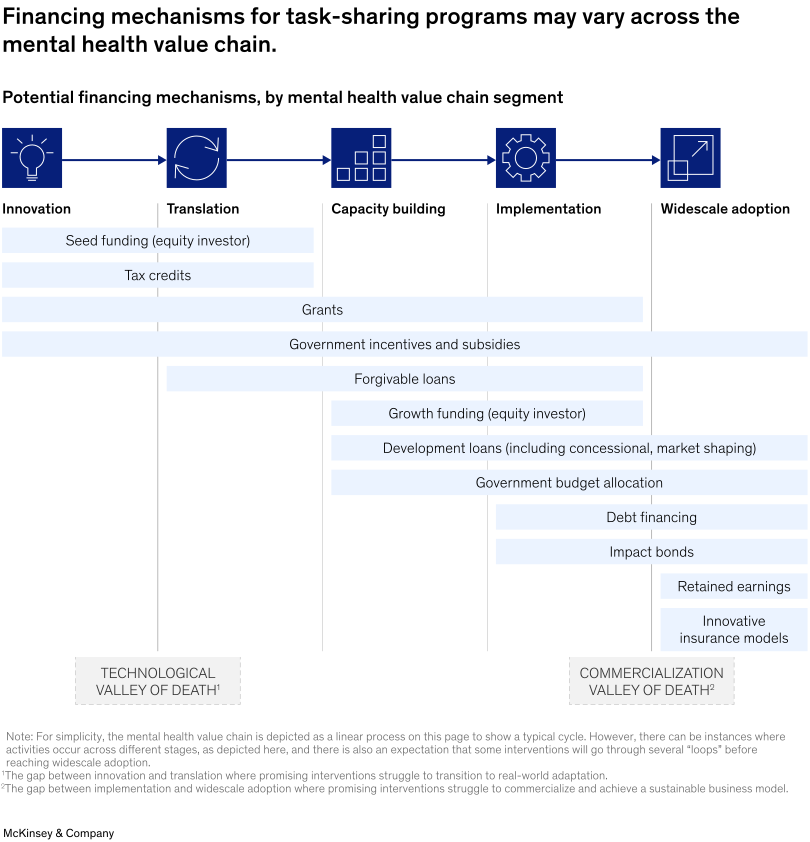
The next section provides examples of programs that have successfully secured sustainable financing through diverse funding sources. These may serve as a source of inspiration for task-sharing programs.
Sources of sustainable financing
Healthcare can be financed in many ways; this section highlights how different financing models can be applied to support task sharing, drawing on examples from both task-sharing and non-task-sharing programs. The approaches described illustrate how financing sources, which can be blended and are not mutually exclusive, can enable task-sharing programs to establish predictable, long-term sources of financing. Not all financing mechanisms described in this section are appropriate for every task-sharing program; their relevance depends on factors such as organizational form, delivery setting, and the program’s intended role within the broader health system. Note that this is not an exhaustive list of sources of sustainable financing (for example, sources also include development banks and public markets). For additional traditional and innovative financing mechanisms, see the Mental Health Financing Guidebook from the Coalition for Mental Health Investment.
Government-sponsored models
Government-sponsored models are a widely used approach to scale mental health programs at a country level. Recognizing the health, social, and economic benefits of community-based health programs, some governments have stepped in as funders. National or local governments can cover the costs of programs and services based on local needs. This ensures resources for communities and drives sustainable solutions through a variety of mechanisms (for example, budget allocations, incentives, and subsidies). These funding models could also be effective when aligning mental health task sharing with public health priorities such as maternal health, cardiovascular diseases, and substance use disorders. While there are various ways to finance task-sharing programs sustainably, government-sponsored models are often crucial to achieving long-term financial sustainability, particularly in low- to middle-income contexts.
Examples of government-sponsored models follow below.
United States: Behavioral Health Aide (BHA) Program
- Context and rationale for funding. The BHA program trains and employs local community members to provide behavioral health prevention, counselling, and crisis response services to Native populations in rural Alaska. Developed to expand access to care in rural communities with limited availability of licensed providers, the program was modeled after the existing Community Health Aide Program that had proven successful in delivering emergency, acute, and chronic medical care in rural communities.51
- Financing design and approach. BHA is federally financed through the Indian Health Service and distributed to regional tribal health organizations to support BHA positions and their supervisors through the Alaska Native Tribal Health Consortium (ANTHC). In addition, the Centers for Medicare and Medicaid Services approved a state plan amendment that allows Medicaid reimbursement for services by certified BHAs as health professionals in an integrated care model.52
- Sustainability and outcomes. Today, BHAs are included under the Indian Health Service’s Community Health Aide Program, which is expanding beyond Alaska to the contiguous 48 states. Full implementation, however, is still underway, and many states have yet to establish active programs.53 For example, the Northwest Portland Area Indian Health Board, which serves 43 tribes in Oregon, Washington, and Idaho, created a training and certification program for BHAs.54 The BHA program illustrates one approach to how incorporating task-sharing roles into federally recognized health worker programs could establish sustainable funding streams.
India: WorldBeing’s Youth First Program
- Context and rationale for financing. Youth First is a school-based psychosocial resilience program that trains teachers to deliver weekly classroom sessions. WorldBeing built government buy-in by pursuing a systems change approach, working in partnership with state education departments, teacher-training institutes, and local leaders to adapt the program and embed it within existing school structures. This foundation was reinforced by sharing evidence from randomized controlled trials that demonstrated positive impacts on student outcomes (for example, attendance, grades, and teacher engagement).55
- Financing design and approach. WorldBeing works with national and state governments and philanthropic partners to support program adaptation, capacity building, and implementation, with funding responsibility progressively transitioning to government education systems.
- Sustainability and outcomes. India’s 2020 National Education Policy’s emphasis on mental health aligned with Youth First’s objectives and helped sustain momentum as WorldBeing collaborated with governments to embed the program into teacher-training institutes, curriculum, and student textbooks.56 As of February 2026, according to WorldBeing, they have trained 355,000 teachers and four million students. This program shows how partnering with local governments to build capacity and deliver services from within government structures could support long-term sustainability and scale.
Ethiopia: Health Extension Program (HEP)
- Context and rationale for financing. Established in 2003 in response to an assessment that found access to healthcare for most Ethiopians was limited, the Ethiopia Health Extension Program trains Health Extension Workers (HEWs) to deliver essential health services to communities with limited access to care. Over time, the program expanded its scope to include chronic conditions and mental health.57
- Financing design and approach. While HEP was initially launched as a fully government-financed initiative, the program has since begun to attract financial and technical support from development partners. As a result, the government of Ethiopia now finances 40 percent of the HEP program costs.58 As part of a HEP optimization road map, the program looks to incorporate user fees and community-based health insurance financing for curative services.59 In addition, a key enabler has been establishing HEWs as formal, government-salaried employees, allowing their roles to be embedded within public budgets.
- Sustainability and outcomes. Today, HEP involves over 40,000 HEWs serving more than 17,000 health posts and is a core component of primary care.60 In 2020, the Ethiopian government launched a 15-year optimization road map to strengthen service quality and workforce capacity while sustaining financing.61 The program illustrates how embedding task-sharing roles within national community health systems—supported by blended public and partner funding—could create long-term workforce and financial sustainability.
India: Healthy Activity Program (HAP)
- Context and rationale. Through the EMPOWER task-sharing model, the HAP trains community health workers, known as Accredited Social Health Activists (ASHAs), funded by the government to deliver psychosocial interventions to individuals.62 HAP was designed to address the mental health needs in Madhya Pradesh, where a shortage of trained mental health workers contributed to a treatment gap of 91 percent.63
- Financing design and approach. The program in Madhya Pradesh was financed through a blended model combining philanthropic funding with government support from the national health ministry and state health agency. The philanthropic partners financed the implementation costs, while the government contributed access to its existing network of government-funded ASHAs, who received incentives for completing HAP training, delivering counseling sessions, and attending supervision.64
- Sustainability and outcomes. The program established a foundation for delivering mental health services within India’s health system by embedding implementation within existing government structures. As of 2023, HAP had trained over 1,000 ASHAs in Madhya Pradesh.65 While ASHAs receive service-based incentives as part of the program, expanding dedicated support for mental health would require dedicated funding. In addition, health authorities have expressed interest in including psychological counseling as part of the government’s incentive package for ASHAs, illustrating how funders could sustain task sharing by offering incentives for upskilling existing frontline workers.66
Thailand: Digital mental health platform (Tor-Tuem-Jai)
- Context and rationale for financing. Data from Thailand’s Mental Health Check-In app, a national screening tool, show that nearly 10 percent of users were at risk of depression and that mental health and substance use cases increased by 500,000 from 2020 to 2025.67 In response to such growing mental health needs, the country launched a digital mental health self-care program, Tor-Tuem-Jai. Adapted from WHO’s Step-by-Step program, the platform guides users through exercises and connects them to trained e-helpers.68
- Financing design and approach. The Department of Mental Health led the launch in collaboration with the Thai Health Promotion Foundation, Prasrimahabodhi Psychiatric Hospital, Boromarajonani College of Nursing, and WHO. Thai Health Promotion Foundation, a government agency financed through a 2 percent excise tax, provides sustained funding for nationwide health promotion initiatives.69
- Sustainability and outcomes. The Tor-Tuem-Jai platform is now part of Thailand’s national policy for addressing mental health.70 By integrating the WHO’s evidence-based Step-by-Step program into public e-health systems, Thailand created a scalable model that promotes emotional well-being. For implementers, adapting proven task-sharing interventions to align with existing infrastructure and earmarked public funding streams could enhance long-term financial sustainability.
Chile: National Depression Detection and Treatment Program (Programa Nacional de Diagnóstico y Tratamiento de la Depresión, PNDTD)
- Context and rationale for financing. Introduced in 2001, the PNDTD aims to improve the detection and treatment of depression by integrating mental health services with primary care and training primary care teams to identify and refer patients into the program.71 Key factors that influenced program adoption included evidence demonstrating the feasibility of introducing cost-effective interventions in primary care to help address the high prevalence of depression in Chile.72
- Financing design and approach. The PNDTD is financed through national health budgets, with opportunities for reimbursement through Chile’s public insurance system. The Explicit Health Guarantees (GES) law guarantees access to care for depression, ensuring sustained funding and enabling providers to receive reimbursement for covered services.73
- Sustainability and outcomes. The PNDTD grew from nearly 20,000 annual patients served to 170,000 within the first six years of the program and is now embedded in Chile’s healthcare system.74 Sustained through budget allocations and reimbursements under Chile’s public insurance scheme, the program illustrates an example of how embedding mental health within guaranteed benefit packages—such as GES—could secure predictable financing and institutionalize task-sharing models within public health systems. This includes enabling referrals to higher levels of care that are covered within Chile’s guaranteed benefits package, such as in Santiago, Chile. (For details on task sharing in Santiago, see the “CETA in Chile, a Healthy Santiago project” case study in the section titled “Case studies: Lessons from task-sharing implementers.”)
Insurance-supported models
Public insurers (for example, national health plans supported through government budget allocations) or private insurers (for example, employer-based plans supported through retained earnings) fund specific services and provider types, offering stable financing for covered benefits. For task sharing, the inclusion of psychosocial interventions and nonspecialist providers in health benefit packages determines whether these services can be reimbursed. Provider payment rules that specify which groups are eligible for payment also help formalize and integrate task-sharing roles within the health system. These mechanisms support access to care, manage costs through risk pooling, and offer incentives for quality improvements, thereby contributing to a long-term, sustainable healthcare system across different population segments.
Examples of insurance-supported models follow below.
United States: Georgia Medicaid Certified Peer Specialists
- Context and rationale for funding. In 1999, Georgia became the first US state to secure Medicaid reimbursement for peer support services (support provided by those with lived experience of recovery from a mental health condition or substance use disorder).75 Their success resulted from collaboration among Georgia Medicaid, state mental health authorities, and advocacy organizations, such as the Georgia Mental Health Consumer Network.76 Evidence demonstrating that peer-led interventions resulted in better outcomes for individuals receiving peer support services influenced the decision to officially establish and fund these services.77
- Financing design and approach. Peer support services are financed through Georgia Medicaid, which recognizes them as reimbursable services. In 2001, Georgia established the Certified Peer Specialist (CPS) credentialing and training program, further professionalizing peer support and integrating it into the healthcare system.78 Georgia’s experience shows how task-sharing programs could use credentialed roles that qualify for reimbursement under public insurance programs.
- Sustainability and outcomes. As of 2025, Georgia had approximately 4,600 CPSs, providing $20 million in peer support services.79 Across the United States, Medicaid insurance coverage for peer support services is common, with at least 40 out of 50 state Medicaid programs reimbursing these services as of 2022.80
United States: Certified Community Behavioral Health Clinics (CCBHCs)
- Context and rationale. Established by the Protecting Access to Medicare Act in 2014, CCBHCs were created to ensure access to comprehensive behavioral healthcare regardless of ability to pay, and some CCBHCs have included task sharing in their services.81 Policymakers highlighted the need to replace grant-based funding with a sustainable financing model that treats behavioral health on par with physical health, thereby reducing the demand on law enforcement.82
- Financing design and approach. In most states, CCBHCs are funded through Medicaid, a public insurance program for low-income individuals. Under this model, clinics are reimbursed through a bundled rate, a prospective payment system (PPS) that reimburses clinics a predetermined amount for the cost of providing comprehensive mental health services.83 In Oklahoma, some CCBHCs deliver task-sharing services through existing funded staff, avoiding additional salary costs.
- Sustainability and outcomes. CCBHCs are now operating or being implemented in 46 out of 50 states through a mix of Medicaid funding or federal grants.84 Efforts are underway to determine how PPS can cover costs associated with task sharing, such as training, supervision, and technology costs—highlighting a potential way reimbursement structures, such as bundled rates, could enable long-term sustainability.
Chile: Asociación Chilena de Seguridad (ACHS) mental health services
- Context and rationale for financing. ACHS is a private, nonprofit organization that offers occupational risk prevention programs and accident coverage to affiliated workers and employers and insures a majority of employers across public and private sectors in Chile. The organization also delivers care, including outpatient mental health, directly through its network of clinics.85 ACHS recognized that investing in mental health could improve employee well-being and reduce workplace stress, absenteeism, and accident-related costs.86
- Financing design and approach. ACHS finances mental healthcare through two complementary streams. For occupational-related mental health needs, services are covered through employer premiums as part of ACHS’s occupational health services. For general outpatient care, services are financed through reimbursements from public and private health insurance and patient copays.
- Sustainability and outcomes. ACHS’s model is financially self-sustaining through recurring employer premiums that fund occupational health services, complemented by insurance reimbursements and patient copays for general care. As of September 2024, ACHS has expanded its general outpatient mental health services nationwide, offering virtual appointments and in-person appointments at 12 ACHS health centers.87
India: Self-Employed Women’s Association self-insurance fund
- Context and rationale for financing. As of February 2026, the Self-Employed Women’s Association (SEWA), representing more than three and a half million informal women workers, codeveloped a parametric insurance product to help workers cover a portion of the income lost when they are unable to work due to extreme temperatures. This model enhances financial resilience for women in climate-exposed sectors such as farming, waste recycling, and street vending.88 Climate-related income shocks also have mental health consequences, with 40 percent of SEWA’s members reporting mental health impacts linked to extreme weather.89
- Financing design and approach. Enrolled SEWA members voluntarily enroll and pay an annual premium of $3.50, while the remaining cost, $4.70, is covered by a nonprofit.90 The product automatically pays participants when temperatures exceed locally defined thresholds. It is backed by reinsurance, which covers a portion of the payout in case of large claims.91
- Sustainability and outcomes. As of 2025, nearly 50,000 SEWA members are enrolled in SEWA’s parametric insurance, and in 2024, the product disbursed over $350,000. While it still has external support, the product’s structure illustrates a pathway toward sustainability through member premiums. For task-sharing implementers, SEWA’s model shows how incorporating small, regular contributions could promote cost-sharing and long-term sustainability.92
United States: BetterBrain (DTC and B2B)
- Context and rationale for financing. BetterBrain is a health technology company focused on cognitive optimization, combining neuroscience, AI-powered personalization, and wellness science to support mental performance, focus, and resilience. The company offers a free app and AI coach as well as a direct-to-consumer membership model to meet growing interest in brain health and to make brain health diagnostics and interventions more accessible.93
- Financing design and approach. The company started with a D2C membership model that allows customers to pay for consumer brain health assessments and services through its online platform. In 2025, BetterBrain’s dementia prevention program became eligible for reimbursement by insurers.
- Sustainability and outcomes. The model is sustainable through a combination of insurance and customer revenue. As of 2025, nearly 23,000 people have used the platform. For task-sharing implementers, BetterBrain illustrates how a hybrid approach of clear, up-front pricing and insurance eligibility could create additional funding streams without relying on pay-per-use fees.
Commercialized models: Direct to consumer and business to business
Commercialized models generate revenue by offering healthcare services directly to individuals or through business partnerships without going through traditional intermediaries like insurance companies or government programs. These approaches can include direct-to-consumer (D2C) models, where individuals can directly pay for health services, and business-to-business models, where companies or institutions purchase services on behalf of their employees or members. In commercialized models, financing can evolve as programs mature along the mental health value chain, from seed or growth funding to self-sustaining revenue or retained earnings. Note that while D2C models can support financial sustainability, their out-of-pocket payment structures may limit access for low-income populations.
Examples of commercialized direct-to-consumer (D2C) and business-to-business (B2B) models follow below.
United Kingdom: Bupa Well+ (D2C)
- Context and rationale for financing. Bupa is a health insurance and care company that offers Well+, a subscription-based health and well-being service, directly to customers. Subscribers can access fitness and well-being classes and book appointments with general practitioners (GPs), physiotherapists, and mental health specialists through its digital platform. Bupa launched Well+ to address growing demand for private services in the United Kingdom and for digitally enabled health solutions.94
- Financing design and approach. Customers can directly subscribe to Well+, starting at £20 for plans that include mental health. Subscriptions are customizable based on household type (individual, couple, family) and provide access to routine appointments. In addition to individual subscribers, employers can purchase Well+ as part of employee benefits.
- Sustainability and outcomes. The model is sustainable through recurring subscription revenue. As of 2025, Well+ has 25,000 members, and Bupa forecasted this to grow to 500,000 by the end of 2025, illustrating how low-cost subscription models could generate steady revenue.95
United States: Lyra Health (B2B)
- Context and rationale for financing. Lyra Health is a digital mental health platform that partners with employers and health plans to connect employees and their families to a network of licensed providers, certified mental health coaches, digital wellness tools, and personalized medication programs.96 Investors cited Lyra’s ability to redefine access to care and potential to scale in a growing healthcare segment.97 For employers, investing in mental healthcare for employees could reduce healthcare costs and increase employee productivity.98
- Financing design and approach. Lyra’s financing model is employer-supported, tying costs to care utilization and measurable outcomes. For example, if Lyra meets performance targets such as strong member satisfaction, significant clinical improvement, or a positive ROI, it earns performance-based incentives; otherwise, employers receive a credit.99
- Sustainability and outcomes. Lyra’s model is sustained through recurring employer contracts. As of 2025, more than 300 companies use Lyra’s services, reaching over 20 million people. For task-sharing implementers, Lyra Health illustrates how tying payments to measurable outcomes can align funder incentives with impact and how partnering with employers and other institutions can provide a predictable revenue stream.
Innovative models: Cross-subsidization and microloans
Under the cross-subsidization model, providers can adjust prices on a sliding scale based on customers’ ability to pay. Higher-income customers would be charged more, allowing organizations to offer lower prices to lower-income customers. This approach could make products and services more accessible without compromising overall quality.
Microloan programs are designed to help individual entrepreneurs and small enterprises. These programs often combine several types of loans, favorable loan terms, and innovative financial mechanisms. They are frequently entrepreneurial in nature, allowing users to access tools and training to participate in projects and initiatives that promote social causes. The microloan model, sub-Saharan Africa, operates across seven countries.
Examples of a cross-subsidization model and a microloan model follow below:
India: Aravind (cross-subsidization)
- Context and rationale for financing. Aravind Eye Care System is a network of eye hospitals that provides care to millions of people in India, where cataracts are a major source of blindness.100
- Financing design and approach. Aravind operates a cross-subsidization model, in which paying patients subsidize the care of lower-income patients. High patient volumes, with surgeries exceeding 700,000 annually, create efficiencies and economies of scale. In-house production of lenses and supplies reduces costs and supports financial sustainability.101
- Sustainability and outcomes. Aravind manages approximately six million outpatient visits and more than 700,000 surgeries annually, with half of the visits and procedures being free or subsidized. Revenue from paying patients and operational efficiencies supported expansion across 15 hospitals, eight outpatient centers, and 118 primary eye facilities in South India, demonstrating how high-volume, tiered pricing could achieve financial sustainability and broad access. Similarly, task-sharing implementers could offer differentiated pricing across regions to subsidize services in lower-income areas.102
Sub-Saharan Africa: Healthy Entrepreneurs (microloans)
- Context and rationale for financing. Healthy Entrepreneurs (HE) is a social enterprise that enables qualified health workers (for example, those with basic healthcare knowledge and a secondary school diploma) to become micro-entrepreneurs delivering essential health products and services. The organization was established to enhance access to healthcare services in underserved communities while promoting local economic engagement.
- Financing design and approach. HE provides participants with training, start-up credit, and a kit of essential health products. In one example, entrepreneurs invested $40 to join the program and received training, a tablet or smartphone, and a starter kit of health products worth $100 on credit. Entrepreneurs then repay the $100 credit over 12 months and can order additional products each month at prices up to 60 percent lower than at local markets or health facilities.103 By managing its own end-to-end supply chain, HE reduces procurement costs and maintains a 20 percent margin that covers local management and operational expenses.104
- Sustainability and outcomes. As of 2025, the organization has trained over 20,000 community health entrepreneurs (CHEs) across seven countries, reaching 18 million people. The model sustains operations through reinvested margins while expanding access to health services and creating income opportunities in low-resource settings, illustrating how task-sharing implementers could link community health delivery to income-generating activities through microenterprise models.
The examples in this section exemplify several approaches health organizations have used to achieve financial sustainability. With a clear understanding of the potential funders and their priorities, implementers can select a funding approach that aligns with those priorities. With this information, they can communicate their financial and social ROI, which may help them secure necessary support.
A financial and social case for task sharing
Securing sustainable financing may involve presenting evidence of financial, social, or both outcomes relevant to funders. As a result, it is essential to articulate the impact of programs based on funders’ goals and objectives. For example, funders may prioritize the following (not an exhaustive list):
- program effectiveness and measurable outcomes such as improved mental and physical health, improved social functioning, reduction of unmet need, and improved outcomes in physical health (for example, HIV, maternal health, cardiovascular when mental health is integrated)
- economic and financial ROI through improved mental health (for example, increases in GDP, productivity gains, reduced absenteeism, healthcare savings)
- broad societal impact (for example, increased societal participation, reduced violence)
- funder-specific alignment and accountability (for example, resource allocation efficiency, mission-driven objectives)
Communicating evidence in accessible terms can support understanding among stakeholders who lack technical expertise in mental health. For guidance on communicating with senior decision-makers, including potential language, approaches, and supporting resources, see “Urging Ministries to Invest in Mental Health” from the United for Global Mental Health Action Network.
This section outlines three analyses that implementers can use to demonstrate the need for a program, its efficiency in delivering outcomes, and the value it creates:
- Supply of and demand for mental health resources. A supply–demand analysis assesses the gap between the existing number of mental health professionals and the number of professionals needed to serve people requiring their services. This analysis will help organizations make the case for where and why a program is necessary.
- Cost-effectiveness. Cost-effectiveness is the cost required to achieve a unit of health outcome—for example, disability-adjusted life years (DALYs) or reduction in symptoms. This analysis will help organizations demonstrate that their programs deliver a health impact per dollar spent.
- Social ROI. A social ROI expresses the social, health, environmental, and economic outcomes of an initiative. This analysis will help organizations demonstrate the broader value that their programs create beyond individual clinical outcomes.
Methodology
This methodology provides additional details behind the supply–demand, cost-effectiveness, and social return of investment analyses presented in the “A financial and social case for task sharing” section. Note that the figures presented here are illustrative, meant to demonstrate the steps we took and one way these analyses can be structured. Due to data limitations, some examples may not follow the full methodologies outlined earlier, but they reflect practical approaches that programs can build on.
By outlining key assumptions, inputs, and step-by-step calculation logic behind each analysis, this section offers a template that organizations can adapt to their own context, refine with local data, and use to communicate the value of task sharing to funders and decision-makers. For simplicity, only illustrative calculations for one municipality are shown.
For an additional example of a methodology used to calculate the supply and demand for the psychiatry workforce in Australia, see “Psychiatry Supply and Demand Model – Methodology Paper.”
Supply–demand analysis
1. Identify the target population
We began by identifying the target population for the intervention. In Renca, this led us to focus on adolescents, guided by mayoral priorities, stakeholder interviews, and data showing long wait times and gaps in mental healthcare continuity.
2. Estimate demand for mental health services
To understand the scale of need in Renca, we looked at the total addressable population—all adolescents in Renca—using public census data, which showed there are roughly 10,000 adolescents.1
Using Institute for Health Metrics and Evaluation (IHME) estimates indicating that about 20 percent of adolescents in Chile experience a mental health condition, we applied this prevalence rate to the adolescent population in Renca.2 This allowed us to estimate a serviceable population of roughly 2,000 adolescents who may require mental health support.
Demand calculation:

Demand: 2,000 adolescents who may require mental health support.
3. Estimate current supply of mental health services
Because comprehensive data on treatment capacity in Renca was limited, we used the number of adolescents who received treatment for a mental health condition, based on data from the municipal mental health program, as a proxy for supply.
Supply: 1,200 adolescents receiving care for a mental health condition.3
4. Calculate the treatment gap
To understand the gap between demand for the mental health services and supply, we used results from steps 2 and 3 to calculate the treatment gap for adolescents in Renca.
Treatment gap calculation:

Treatment gap: 800 adolescents with a mental health condition not receiving care.
Cost-effectiveness analysis
1. Identify the programs to compare
To understand cost-effectiveness, we compared the existing municipal mental health program with the task-sharing program, allowing us to assess the relative cost of delivering services under each model.
2. Define the effect unit
We defined the effect unit—the outcome against which costs are measured—as the number of beneficiaries served. Using this common unit allowed us to compare costs across the two programs in a consistent way.
3. Estimate cost of task-sharing program
We then estimated the cost of delivering services through the task-sharing program, drawing on municipal salary data for each type of staff involved in the program. This included psychologists, social workers, midwives, and a program coordinator. To ensure a fair comparison with existing programs, we focused only on ongoing operational costs and excluded implementation costs.
Using the number of staff in each role and their corresponding annual salaries, we calculated the total operating cost of the program.
Costs (illustrative):
- 2 psychologists × $20,000 salary each
- 2 social workers × $15,000 salary each
- 1 midwife × $10,000 salary
- 1 program coordinator × $20,000 salary
Cost calculation:

Result (annual program cost): $100,000
4. Measure the program’s impact on the number of beneficiaries reached (the effect unit)
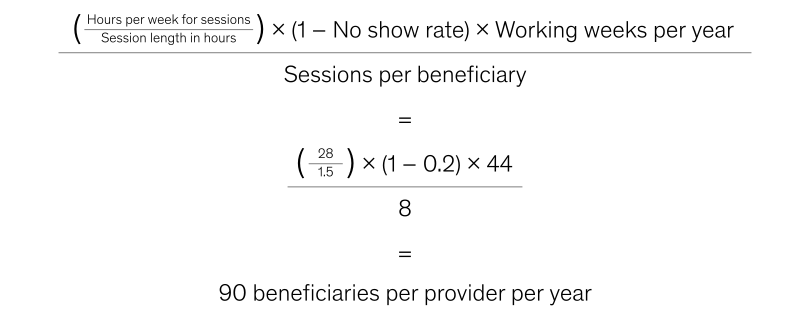
To understand the program’s potential reach, we translated task-sharing provider capacity into the number of adolescents who could be served annually. By assessing the amount of provider time available for sessions, the typical number of sessions required per beneficiary, expected no-show rates, and staffing levels, we were able to calculate the program’s annual reach.
Reach inputs:
- Hours per week dedicated to task-sharing program: 28 hours
- Session length (including administrative time): 1.5 hours
- Working weeks per year: 48
- No-show rates: 20 percent
- Sessions per beneficiary: 8
- Number of task-sharing providers: 5
Reach calculation for one provider:
Reach calculation for all providers:

Result (total beneficiaries reached per year): 450 beneficiaries
5. Measure cost-effectiveness unit for task-sharing program
To determine the cost per beneficiary served, we divided total annual program cost by the estimated number of beneficiaries who can be served in one year. This calculation provides the program’s cost-effectiveness unit.
Cost effectiveness calculation:

Result (cost-effectiveness ratio): $220 per beneficiary served
6. Repeat steps 2–4 for traditional mental health program and compare cost-effectiveness ratio
To complete the analysis, the same approach used for the task-sharing program (estimating annual program cost, estimating annual reach, and calculating cost per beneficiary) can be applied to the existing traditional mental health program. Once both cost-effectiveness ratios are calculated, they can be compared to understand which model delivers services at a lower cost per beneficiary and how differences in staffing, reach, and session structure influence relative efficiency.
Social ROI analysis
Estimating SROI can be done using forecasts (ex ante) to estimate costs and benefits, as well as retrospectively (evaluative). The following approach is consistent for both cases.
1. Define the components of benefits and costs
Benefits from the intervention may accrue over the lifetime of service recipients—for example, in the case of higher earnings associated with improved educational attainment. To compare benefits (which can be long-lasting) to costs (which are concentrated in the time of the intervention), we used a discounted value:

where rs represents the social discount rate. In the case of Chile, the Ministry of Social Development has indicated the use of 5.5 percent since 2024. Social discount rates are commonly stable (they were 6 percent from 2008 to 2024).4
2. Estimate the social costs
Program costs include training costs and salaries.
Gross salaries paid to providers are considered from the employer’s cost perspective. To estimate annual service capacity, effective provider availability is adjusted to account for average absenteeism, vacation, and public holidays, enabling the calculation of the total number of patients that can be treated per year. As a conservative assumption, a capacity of 60 patients per provider per year is used.
The average cost per beneficiary is then estimated by allocating total annual salary costs across service delivery. Specifically, total employer-incurred salary costs are divided by the number of providers and the total number of beneficiaries served, yielding an average cost per beneficiary. To avoid distortion from initial ramp-up effects, cost calculations were based on steady-state operating capacity.
Cost per beneficiary:

Other recurrent costs, such as physical spaces, were excluded because existing school facilities were used without incremental costs.
One-time training costs were fully allocated to the program’s initial implementation period, as attrition was low and retraining needs during that period were minimal. For evaluations covering longer time periods, training costs could be amortized across multiple years of program operation. However, in such cases, additional training costs associated with staff replacement due to attrition should also be considered.
Total cost was estimated at ~$280 to $340 per service recipient.
3. Estimate the social benefits
Social benefits were grouped into three categories:
- Benefit to service recipients
- Benefit to caregivers
- Benefits via reduced costs on local health systems
Benefits were estimated using the Prioritizing Brain Health model from the McKinsey Health Institute and the Institute for Health Metrics and Evaluation (IHME), although different approaches to estimate the effects of the described social benefits could attain similar outcomes.5 This model estimates the impact at a cohort level, which was then scaled at a per service recipient level.
Benefits to service recipients
- Future earning potential. This represents the largest share of benefits and was estimated for service recipients under age 18. Total impact per service recipient was calculated using a lifetime value approach, assuming a 3 percent increase in annual earnings associated with higher graduation rates due to improvements in mild to moderate anxiety conditions. The analysis considers a forty-year working horizon, adjusts for unemployment rates, and discounts annual cash flows using a 5.5 percent social discount rate provided by the Ministry of Social Development of Chile.6
Alternative valuation approaches, such as willingness to pay or the statistical value of life, would yield higher estimates. In Chile, this value is estimated at nearly $3 million, or 2.5 times the impact on GDP, indicating that DALY-based estimates represent a lower bound.7
Benefits to caregivers
The impact is estimated as incremental earnings from increased labor force participation and improved presenteeism among caregivers, driven by improvements in recipients’ mental health.
- Effects are scaled to the avoided burden of disease and valued using national average earnings.
- Adjustments are incorporated for labor force participation, unemployment rates, and wage penalties.
- The impact is allocated based on age-specific shares of disability attributable to mental health conditions in Chile.
Benefits via reduced costs on local health systems
The impact is estimated based on avoided healthcare costs associated with reduced utilization across primary care, specialist care, emergency services, and hospitalizations among individuals with mental health conditions. The methodology comprised a multistep process:
- estimate impact from the reduction in incremental healthcare utilization, valuing avoided visits using average costs specific to the target age group to reflect expected system burden
- apply national average costs per visit type (primary care, specialist care, emergency services, and hospitalizations) to ensure consistency and comparability
- weight results by program completion status, capturing differential impact between participants who complete the program and those who do not
- apply a conservative two-year post-program horizon and calculate the NPV of avoided healthcare costs over this period
4. Estimate the social ROI
The Social Return on Investment (SROI) is estimated by dividing the NPV of total benefits across all relevant social outcomes for the target population by the Net Present Value of total program costs.
The most relevant analysis may vary based on funder type and priorities. For examples of how these analyses could be applied, see the “CETA in Chile, a Healthy Santiago project” case study, and for detailed calculation steps, see sidebar “Methodology.”
Implementers can strengthen these analyses by using low-cost monitoring, evaluation, and learning tools that enable monitoring, evaluation, real-time learning, and impact reporting.
Supply–demand analysis of mental health resources
A supply–demand analysis measures the gap between available mental health professionals (that is, supply) and the need for their services (that is, demand). This type of analysis can be helpful in identifying workforce shortages, understanding regional disparities, and informing policies to address gaps in mental healthcare access.
The results of this analysis are typically expressed as a ratio (for example, number of mental health professionals per 100,000 people or per individuals diagnosed with a mental health condition).105 Comparing this ratio across regions or against benchmarks could help analysts determine where the workforce is insufficient to meet the population’s needs and inform policymakers, funders, and implementers who need to allocate resources effectively or design interventions to strengthen the mental health workforce.
Conducting a supply-and-demand analysis of mental health resources involves four steps (Table 1).
Supply and demand analysis
| Step | Description | Example (not exhaustive; illustrative) |
| Step 1: Define segment and target population for intervention | Prioritize and define segment and target population (eg, demographics, geography) for intervention based on disease burden, community needs, health disparities, or other priorities | Adolescents identified as the target for the intervention in one city |
| Step 2: Assess the demand for mental health services for the target population | Analyze prevalence of mental health conditions and service utilization rates for the target population, using public data sets (eg, government data sets, WHO publications, Institute for Health Metrics and Evaluation) and/or academic research | Demand for mental health services = 2,000 adolescents, based on:
|
| Step 3: Measure the supply of mental health resources for the target population | Review the number of existing mental health professionals (psychiatrists, psychologists, social workers, etc) and their capacity (eg, number of appointments or hours available) for the target population | Capacity to serve 1,000 adolescents, based on:
|
| Step 4: Determine the treatment gap for the target population | Compare the supply and demand, based on steps 2 and 3 | Treatment gap = 1,200 adolescents
|
Cost-effectiveness analysis
When evaluating mental health programs, two questions may emerge: How much will it cost, and how does the cost compare with other interventions? One way to answer these questions is through a cost-effectiveness analysis, which assesses the cost to achieve a unit of health outcome (for example, DALYs, people reached, deaths prevented, life years gained). This approach can be used to compare the costs of different programs or scenarios.106
Results for this analysis are typically shown as a cost-effectiveness ratio, which is the net cost divided by the changes in health outcomes (for example, the cost per death averted). This ratio can then be used to compare programs and determine which one is less costly.
This type of analysis is helpful in resource-limited settings or when funders need to choose between different programs. However, on its own, it is insufficient for broader social funding decisions, especially in contexts without a defined budget.
While cost-effectiveness analysis provides valuable insights, conducting one may be complex. Implementers seeking a quicker way to benchmark their programs can leverage the WHO’s Menu of Cost-Effective Programs for Mental Health to identify the range of results typically associated with a type of program.107 They can then conduct their own analysis to calculate their program’s specific ratio, if required.
Note that cost-effectiveness analysis can be applied to entire programs or to individual interventions within a program. Because mental health programs often combine several interventions, it is important to clarify whether the analysis is at the program or intervention level. Existing literature provides data on intervention-level cost-effectiveness, which implementers can use to guide their own analyses.
Conducting a cost-effectiveness analysis involves five steps (Table 2).
Cost-effectiveness analysis
| Step | Description | Example (not exhaustive; illustrative) |
| Step 1: Identify programs to compare | Select the programs to be evaluated against each other | New task-sharing model vs existing mental health programs |
| Step 2: Define effect unit | Define metric for effectiveness (eg, symptom scores, disability-adjusted life years, quality-adjusted life years, beneficiaries served) | Number of beneficiaries receiving mental health services |
| Step 3: Calculate cost of the program | Add program costs, including salaries, technology, and other operational expenses | Annual program cost = $100,000, based on:
|
| Step 4: Measure the program’s impact on the effect unit | Measure the program’s impact on the effect unit identified in step 2 | Beneficiaries served = 450, based on:
|
| Step 5: Calculate and compare cost-effectiveness ratios | Divide program costs in step 3 by program impact in step 4 to determine the cost per effect unit and compare cost-effectiveness ratios | Total program cost/number of beneficiaries served = ~$220 per beneficiary for task-sharing providers
|
Social return on investment analysis
The social return on investment (SROI) analysis measures the social, health, environmental, and economic value of the program.108 It demonstrates the social value generated for every dollar invested, giving stakeholders a comprehensive view of effectiveness and efficiency.
There are two primary methods for conducting SROI analysis:
- Forecast (ex ante) analysis is conducted before the program is implemented. This method estimates the value created if the expected outcomes (for example, DALYs gained, number of beneficiaries seen, costs saved, hours of productivity gained) are achieved.109 This helps organizations and investors understand the potential value at stake.
- Retrospective (evaluative) analysis is conducted after a program has been implemented long enough to show results. This approach measures the actual outcomes achieved. This helps organizations assess and communicate the real value their program has generated.
Both methods calculate the SROI of a program in six steps (Table 3).110
Social return on investment analysis
| Step | Description | Example (not exhaustive; illustrative) |
| Step 1: Identify scope and stakeholders | Identify the stakeholders the program will affect | Task-sharing providers, beneficiaries, friends and family, employers, teachers, school systems, local communities, the local health system, and potential funders |
| Step 2: Map expected outcomes for each stakeholder | Link program activities to outcomes for each stakeholder, using theory of change1 | Reduced absenteeism and productivity for employers and schools, decreased crime rates in the community, and lower utilization of overall healthcare system2 |
| Step 3: Assign financial values to each outcome | Estimate the annual financial value of each outcome and its impact horizon using existing sources (eg, academic literature, surveys, and public and internal healthcare data sets) | Determine total annual financial impact per beneficiary for each outcome:
|
| Step 4: Calculate Net Present Value (NPV) for each outcome | Determine the Net Present Value (NPV) of incremental benefits by accounting for the duration of effects for each outcome and applying an appropriate social discount rate (eg, as defined by the Ministry of Social Development)5 | Determine the NPV of each outcome by discounting projected cash flows across the outcome-specific effectiveness horizon using a standard social discount rate:
|
| Step 5: Calculate program costs | Estimate total program costs over the operating horizon, focusing on long-term operating costs, with initial investments amortized over the implementation period | Estimate the average cost per beneficiary by combining the expected number of sessions per treatment completion with provider-specific unit costs: $340 for a mix of social workers, nutritionists, midwives and psychologists |
| Step 6: Calculate SROI | Divide the total value of outcomes by the program costs; conduct sensitivity analysis to pressure-test results | SROI = $18 for $1 invested, based on: Value of outcomes over program costs |
Other enablers of scalability
Along with financial sustainability, which is critical for scaling mental health task-sharing programs, other enablers can also help these programs scale. Among the actions that organizations can take to enable scalability are adopting new technology, establishing local training and upskilling their existing workforce, and ensuring clear referral pathways.
Using technology to enable scaling
Technology and digital tools can support the implementation and scaling of mental health task-sharing programs.111 They can extend reach to underserved populations, improve the quality of training and supervision, reduce administrative burden, help track and report outcomes, and enhance how mental health services are delivered. Several categories of technology could be particularly relevant for scaling task sharing: telehealth, generative AI for operational tasks, digital platforms for workforce capacity building, and blended digital and human care models.
- Telehealth can expand access by removing geographic barriers and connecting mental health professionals to individuals in remote or underserved areas. Trials have shown that NSPs delivering psychotherapy via telehealth can achieve outcomes comparable to those of licensed clinicians delivering in-person care.112
- Operational AI can strengthen task-sharing implementation by improving recruitment, training, and supervision. AI-based screening tools can help evaluate candidates, reduce variability, and identify applicants with a high potential for success. In addition to initial training, AI can help ensure program fidelity through supervision and performance feedback. For example, The Trevor Project, a nonprofit organization that supports LGBTQ+ youth, partnered with Google.org to build an AI-powered training bot that helped train over 1,000 crisis counselors.113 Additionally, ReflexAI offers AI-based training simulations and real-time coaching, performance tracking, and feedback on provider quality.
- Digital platforms can strengthen the skills and cultural competence of task-sharing providers. For example, The Human Aspect uses digital storytelling to enhance empathy and training, providing a library of lived-experience videos that help build cultural competence and enhance provider supervision.
- Blended care models combine digital tools with human interaction to expand reach and sustain engagement. For example, researchers in Lebanon evaluated WHO’s Step-by-Step (SbS) model, a digital health intervention delivered through an app supported by trained non-specialists who provided weekly guidance through messaging. The intervention was associated with greater treatment response and remission and was found to be cost-effective in achieving these outcomes, compared with enhanced usual care, demonstrating how technology can assist non-specialists in delivering interventions sustainably and with fidelity.114
Alongside such innovation, digital and AI tools must be implemented responsibly. Organizations should ensure transparency about how AI supports patients and those receiving task-sharing services (including children), particularly in relation to safety, privacy, and supervision. For example, programs using AI-generated feedback or simulations should ensure that outputs are reviewed to prevent errors or biases in provider training. Any organization using technology should conduct regular assessments of the safety and security of its platforms in accordance with local privacy regulations.
Importantly, technology has the potential to not only facilitate scaling of interventions but also reduce their cost. By integrating technology and digital tools, task-sharing programs can reduce reliance on scarce resources, promote consistent delivery of evidence-based practices, and enable organizations to scale effectively while maintaining quality of care. For example, organizations that integrate AI (such as documentation via digital scribe) could see a reduction in time spent on administrative tasks by 122 hours per year, freeing capacity that enables them to scale and reach more people.115
Philanthropies (for example, Grand Challenges Canada and Wellcome) and technology partners (including Google) have played a catalytic role in derisking these approaches by supporting early-stage development, evaluation, and responsible deployment of digital tools for mental health task sharing. For example, Wellcome provided over $7 million for the digitalization of Friendship Bench to scale the program in Zimbabwe and beyond.116 Continued investment of this kind can help accelerate adoption and long-term sustainability.
For additional details on how AI can support mental health skill-building programs, please see the Mental Health & AI Field Guide from Grand Challenges Canada, McKinsey Health Institute, and Google.
Upskilling the existing workforce and building local training capabilities
Upskilling existing workers who are already embedded in the community can be an effective way to scale task sharing. For example, NSPs can be trained to identify and manage common mental health conditions as part of routine care. Similarly, teachers, social workers, and other community-based professionals can receive training to provide basic mental health support and referrals. By using the existing workforce, organizations can reduce the need for recruitment, integrate mental health into existing programs, and make care more accessible and less stigmatized.
To ensure ongoing local capacity building, the development of local training capabilities can further strengthen scalability and long-term sustainability. Organizations can adopt a “train the trainer” model, where external trainers prepare local providers to become trainers themselves, to build a sustainable pipeline of skilled local trainers. Partnering with local institutions, such as universities, may offer a potential avenue to sustain this model. This approach can reduce reliance on external resources while ensuring that training is culturally relevant and tailored to the local population. For example, CETA training is anchored in national universities in coordination with social service organizations.117
Developing local training capabilities supports consistent transfer of knowledge and skills to new cohorts of community health workers. Additionally, this model enhances program sustainability by promoting community ownership and accountability.
Ensuring clear referral pathways
Defined referral pathways help ensure that individuals with complex mental health needs are connected to appropriate services. Without these pathways, providers may hesitate to refer patients to task-sharing programs, due to uncertainty about the program’s capacity to manage more intensive care needs. Programs can address this hesitancy by developing appropriate referral pathways, enabling warm handoffs, and enhancing communication between task-sharing professionals and other providers.
In some settings, however, specialist services remain limited. In these contexts, task-sharing models may still play a critical role by filling gaps in care and, in some cases, supporting individuals with higher levels of need when appropriately trained and supervised.
Case studies: Lessons from task-sharing implementers
Task-sharing mental health programs in Chile, Israel, and Zimbabwe achieved sustainable scale by aligning financing, building local capacity, and embedding services into public systems. These achievements highlight that strong evidence, government ownership, and cross-sector benefits are key to long-term impact.
For a discussion of how benefits are distributed across society, see sidebar “Distribution of economic and social benefits.”
Case study: CETA in Chile, a Healthy Santiago project
In October 2023, the McKinsey Health Institute partnered with Asociación Chilena de Seguridad (ACHS), the Chilean Safety Association, and two Santiago municipalities, Renca and Providencia, to address gaps in mental healthcare.118 While mental health programs existed, both municipalities had a shortage of mental health resources. The municipalities identified priority groups to target for the intervention: adolescents in Renca and older adults in Providencia. As part of Healthy Santiago, a multi-stakeholder initiative, municipalities designed a task-sharing pilot based on CETA’s proven transdiagnostic approach to increase access to mental healthcare (for additional details, see sidebar “About the CETA model”).
About the CETA model
CETA is an evidence-based, transdiagnostic model that trains mental health professionals, nonspecialist providers, paraprofessionals, and others to identify, triage, and treat multiple mental and substance use conditions with one model (exhibit). Its successful, integrated approach has been implemented globally, including in Colombia, Germany, South Africa, Thailand, Ukraine, and Zambia. More than seven clinical trials have demonstrated that CETA’s solution is more effective and efficient than a traditional, sequential approach to treatment, with significant results often achieved in as few as eight to 12 sessions.
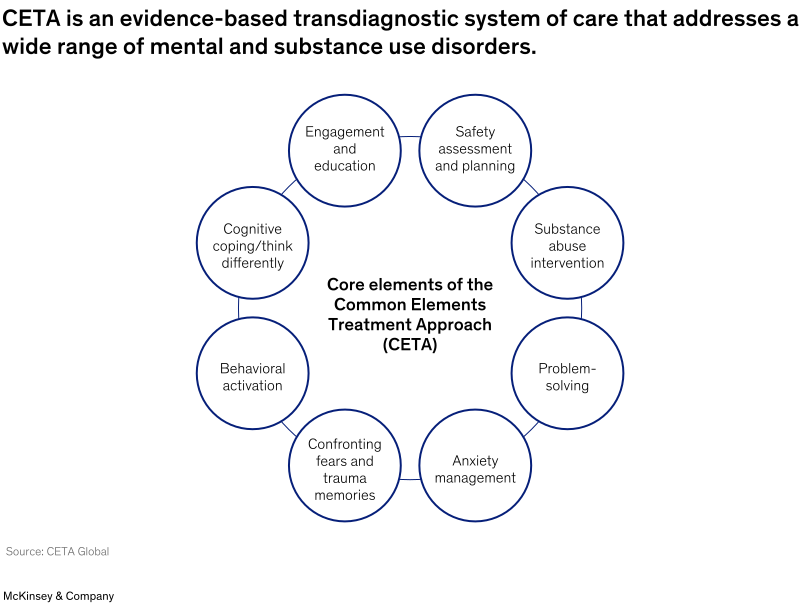
Funding for the program consisted of a combination of existing municipal health budgets and donations for initial training, technology, and capability building. From the outset, municipalities made a clear public-sector commitment to absorb and sustain workforce costs by hiring and upskilling existing staff, ensuring that early support from ACHS served as a catalyst for durable system integration rather than a one-off pilot. This alignment between initial external funding and sustained public financing was critical for enabling scale.119
Within three months, the pilot demonstrated strong results by using trained providers embedded in schools and primary care centers to bring services to people where they are. Program participants’ clinical scores improved by approximately 80 percent and had greater adherence. Additionally, over 80 percent of beneficiaries stated that they would recommend the program to friends and family, and more than 85 percent reported that the tools they learned were useful in their daily lives.120
Following the pilot’s success, municipalities and partners committed to further scaling, securing additional funding and universalizing the program to their target cohorts. As of February 2026, the program has had a positive impact on more than 2,700 individuals and their families and helped to address the gap in access to mental health. For example, the percentage of adolescents in Renca with a mental health condition receiving interventions increased from 47 percent to 71 percent.121
Beyond clinical and access outcomes, the programs had positive impact on social and economic outcomes in Santiago as well. For example, in Renca, 48 percent of teachers reported improvements in participating students’ grades, 48 percent reported improvements in their well-being, and 22 percent of schools reduced rates of violence and/or bullying. Considering additional social and economic dimensions, the program also generates impact on future earnings, caregiver time, and workforce productivity.
Path to sustainability
From the beginning, stakeholders prioritized shared ownership: They convened mayors, leaders from the private sector such as ACHS, and an advisory group of experts across public health, education, media, health technology, former ministers of health, and academic experts. Engaging a diverse group of stakeholders ensured priorities were aligned, opened opportunities for integration, and built the coalition and trust funders seek before committing resources. Together, these efforts created the foundation for the program’s health, social, and economic impact across institutions.122
The program followed a five-step approach to create a sustainable model:123
- Municipalities assessed the health system and available resources by conducting a supply–demand analysis to understand gaps in mental healthcare. The results revealed large gaps and helped make the case for investment. For example, one municipality found a 53 percent mental health treatment gap and an average waiting time of 21 days.
- The municipalities and stakeholders co-designed the intervention, including a sustainability plan for scaling, in three months. For example, Renca worked with youth and identified schools as key access points, while Providencia targeted older adults through the three municipal primary care centers. Design components included designing the beneficiary journey, identifying the professionals that need training, and integrating CETA as the task-sharing model. Notably, trained providers were fully compensated through municipal budgets, ensuring predictable support for the local workforce, which included psychologists, social workers, nurse technicians, and midwives, across both municipalities. Public- and private-sector leaders championed the pilot, securing resources, aligning teams, and directly engaging schools and health centers. Recognizing the program’s alignment with its prevention and workforce health priorities and clear business ROI, ACHS invested and deepened its involvement.
- The municipalities launched the pilot, tracked results, and refined the model, institutionalizing the program by integrating it into existing clinical pathways. In Providencia, for example, the team expanded how services were delivered, introducing home visits and incorporating caregivers into the process. In Renca, several providers transitioned to full-time roles and increased the number of schools they served.
- Municipalities created the conditions to scale by securing funding and developing local training capacity. They sourced funding from municipal and national health budgets and partnered with ACHS and CETA to begin developing local trainer capacity. In parallel, ACHS and municipal leaders engaged with psychology associations and public health leaders to build support.
- Once municipalities created the conditions needed to scale, both municipalities moved toward universal coverage for their target age groups. In Providencia, the program was embedded into existing workflows across all CESFAMS (Centros de Salud Familiar, Chilean primary healthcare centers that provide outpatient services to families) and developed group workshops to expand the program’s reach. In Renca, the program was expanded to nearly all public and subsidized schools and conducted universal screening in many of them.
Ultimately, municipalities’ efforts to secure funding up front, build local capabilities, and obtain stakeholder support created the foundation for them to achieve meaningful scale.
Challenges faced
During initial implementation, both municipalities focused on addressing operational challenges while adapting their programs and teams to integrate task sharing effectively. As programs became embedded in existing services, providers adjusted their workloads to incorporate CETA sessions, highlighting the importance of dedicated time to service delivery. The shift from traditional practice also required additional support to help trained providers gain confidence and maintain fidelity to the model. At the same time, limited dedicated spaces in primary healthcare clinics posed challenges for maintaining confidentiality and regular session schedules, highlighting the need for adequate infrastructure as the program expanded. These early lessons have informed scaling efforts, helping municipalities strengthen operational foundations that support long-term sustainability.
As the program scales, the focus has shifted to expanding local training capacity and securing predictable resources for continued growth. Through partnerships with organizations such as ACHS, which is developing local training capacity, municipalities are ensuring that new providers can be trained to deliver task-sharing interventions. Local and national budget allocations sustain the initial cohort of trained providers, and ongoing coordination across partners is needed to secure additional resources as the program continues to expand.
Looking ahead
Both municipalities aim to expand the scale and scope of their programs for initial target cohorts. In addition, ACHS is continuing to train their providers in task sharing and upskilling the pool of mental health responders.
Building on these results and strong stakeholder feedback, the experience from Healthy Santiago could inform broader system-level learning. Program outcomes could provide a foundation for ongoing national and regional dialogue.
Case study: Friendship Bench in Zimbabwe
Founded in 2006 in Zimbabwe, the Friendship Bench program trains community health workers (that is, community grandmothers) to deliver EBPs from park benches in discreet outdoor spaces in the community. The program was designed to address Zimbabwe’s severe mental healthcare gap: There were only six practicing psychiatrists for the population of approximately 12.5 million when Friendship Bench was founded.124
Friendship Bench’s inclusion in the national mental health strategy followed years of collaboration with the government of Zimbabwe and regular engagement to share strong, locally grounded research on its impact. Evidence showed that when integrating the model into treatment plans of traditional noncommunicable disease conditions, and also HIV, outcomes were improved for those receiving services.125
Today, Friendship Bench operates across all ten provinces of Zimbabwe and in international pilots. As of 2025, the program has served more than 814,000 clients through face-to-face counseling delivered by trained community grandmothers.126
Path to sustainability
In its earliest years, Friendship Bench was funded directly by founder Dixon Chibanda’s salary as a psychiatrist. Over the following decade, the program scaled across multiple provinces and built credibility through a growing body of research. Grants helped enhance and evaluate the effectiveness of the intervention, leading to the pivotal publication in the Journal of the American Medical Association (JAMA) in 2016.127 The article demonstrated significant improvements among depressed Friendship Bench participants: Those who received the intervention fared better than those receiving therapy from community health workers or psychologists. Founder Chibanda described the results as “groundbreaking evidence that propelled Friendship Bench to the next stage.”128
Friendship Bench now operates through a blended financing model that combines government resources with philanthropic support. The government of Zimbabwe, with support from Grand Challenges Canada, the World Health Organization, and other philanthropies, funds components of the program, such as facility rent and salaries for program staff (for example, supervisors for grandmothers delivering care, health promoters who raise community awareness, and data clerks).
To ensure the program was culturally grounded, throughout implementation, Friendship Bench involved government officials, including members of parliament and local leaders—such as traditional healers, police officers, and elders. Participants were invited to theory-of-change workshops as the organizations expanded to new communities.
After each workshop, Friendship Bench and the government jointly reviewed the theory-of-change map and next steps. Combined with strong evidence that demonstrated improved outcomes across non-mental-health conditions such as HIV, maternal and child health, adolescent health, and noncommunicable diseases, this collaborative approach helped to secure national commitment and policy inclusion.
In addition to public and philanthropic funding, Friendship Bench generates income through revenue from training organizations and corporations that want to integrate Friendship Bench into their work. In 2023, the organization launched “Friendship in a Box,” a do-it-yourself tool kit that provides a step-by-step process for introducing or sustaining Friendship Bench in new areas. In its first formal year, the tool kit generated $200,000 in revenue, offsetting some operational costs. Together, the multistream funding model, which includes philanthropic, program revenue, close collaboration with the government, and focus on systems strengthening, reflects Friendship Bench’s path to widescale adoption in Zimbabwe.
Friendship Bench is now being piloted through grant funding in other countries, including Canada, Colombia, El Salvador, Kenya, Malawi, the United Kingdom, the United States, Vietnam, and Zanzibar.129
Challenges faced
Friendship Bench faced challenges as it scaled to national implementation. In initial stages, it relied on grants, creating a demanding fundraising cycle. Research published in JAMA strengthened the program’s credibility and enabled it to broaden its funding sources through larger multiyear grants, sustainable funding, program revenue, and partnerships with the government of Zimbabwe, helping to broaden funding and reduce dependence on short-term support. While Friendship Bench’s blended financing model has enabled wide-scale adoption, continued external support remains important to strengthen program capacity.
Remaining challenges include transitioning to greater domestic financing and securing insurance reimbursement for services delivered by lay providers. Friendship Bench continues to advocate for policy reforms that recognize community health worker roles and support their inclusion in medical insurance schemes. Friendship Bench is a member of the Coalition for Scaling Mental Health (which also includes Shamiri Institute, StrongMinds, and Ubuntu Center for Peace), which promotes task sharing through shared advocacy, research, and on-the-ground implementation.
Looking ahead
The organization is now handing over Friendship Bench operations in Zimbabwe to the government of Zimbabwe, which will drive implementation at scale. Under the plan, Friendship Bench serves as a technical assistance partner to the government, supporting the integration of the model into the health system and community health workers’ training curriculum. As part of this transition, Friendship Bench has worked to strengthen the systems needed for scale-up, developing training materials, building government capacity, and supporting the integration of data into the national District Health Information System, a health management data platform that will enable improved data collection, management, and reporting.130 These transition resources will allow the government to lead nationwide implementation and strengthen its capacity, develop tools, and leverage knowledge of local communities.
Case study: ENGAGE in Israel
The national ENGAGE Israel program adapts the ENGAGE community mental wellness model to provide early identification, intervention, and support for common mental health and substance use conditions across the country. The initiative was launched following the October 7, 2023, attack and the subsequent conflict.131
Central to the model is the development of a new lay provider workforce, Tomchei Briut HaNefesh (mental health supporters). These providers are trained to deliver brief screenings, evidence-based interventions for mild to moderate conditions, and navigation to higher levels of care. Tomchei Briut HaNefesh are embedded within behavioral health clinics and provide services in primary care clinics, community-based organizations, shelters, social service organizations, and municipalities.132
Path to sustainability
The Israel Ministry of Health finances all ENGAGE training, implementation activities, and human resources, including the creation, training, and supervision of the Tomchei Briut HaNefesh workforce. Funding includes bilingual training curricula and intervention materials delivered in Arabic and Hebrew.133
As part of the program design, Israel is developing in-country training and implementation capacity. This effort includes the development of national trainers, supervisors, and implementation science partners. Ministry funding supports the establishment of training hubs, supervision systems, and implementation infrastructure designed to operate in both Arabic and Hebrew.
Through this financing structure, ENGAGE Israel is implemented within existing governmental funding arrangements, rather than relying on time-limited external sources.
Challenges faced
Before the Israeli conflict, long waitlists for mental healthcare already existed. Because the program was initiated following this conflict period, existing six-month waitlists expanded to 12 months or more, increasing pressure on service delivery systems.134
Looking ahead
By financing the training, supervision, and ongoing employment of Tomchei Briut HaNefesh, the Ministry of Health is supporting the continuation of a national lay provider workforce delivering early mental health interventions. The financing structure places ENGAGE Israel within longer-term governmental budgets rather than grant-based or philanthropic funding.135
As ENGAGE is implemented across regions and health systems, services continue to be delivered in Arabic and Hebrew. The program represents a national implementation of a task-sharing mental health model using a lay provider workforce embedded within behavioral health services.
Conclusion
This playbook is meant to complement existing materials on implementing task-sharing programs and to provide practical insights on establishing such programs in a financially sustainable way. For additional resources on task-sharing implementation support and mental health financing, see sidebar “Task sharing and mental health program implementation resources.”
Many mental and substance use disorders are preventable and treatable health conditions that represent a major public health challenge worldwide.136 Addressing mental health represents both a public health priority and a meaningful economic opportunity, with the potential to generate substantial social and economic benefits.137
Scaling mental health task sharing offers an effective, evidence-based way to expand access to mental health services and realize this potential. This playbook outlines potential options that implementers, policymakers, healthcare organizations, employers, and funders can consider to financially and sustainably scale task-sharing programs.
The central challenge is no longer whether task sharing is effective; it is more about how systems can sustain investment in interventions that generate measurable social and economic returns. In this context, short-term pilots without pathways to sustained financing limit the opportunity to translate effectiveness into durable, system-level benefits.
Mental health is an essential driver of overall health and a prosperous future. Through mental health task sharing, we have the opportunity to improve access to care and strengthen mental health outcomes worldwide.
Related Articles

The health of nations: Stronger health, stronger economies

Keeping investment in mind: Strategies for financing mental health